
Boating Accidents With Unlicensed Operators: Piercing Rental Company Immunity When Training Was Promised
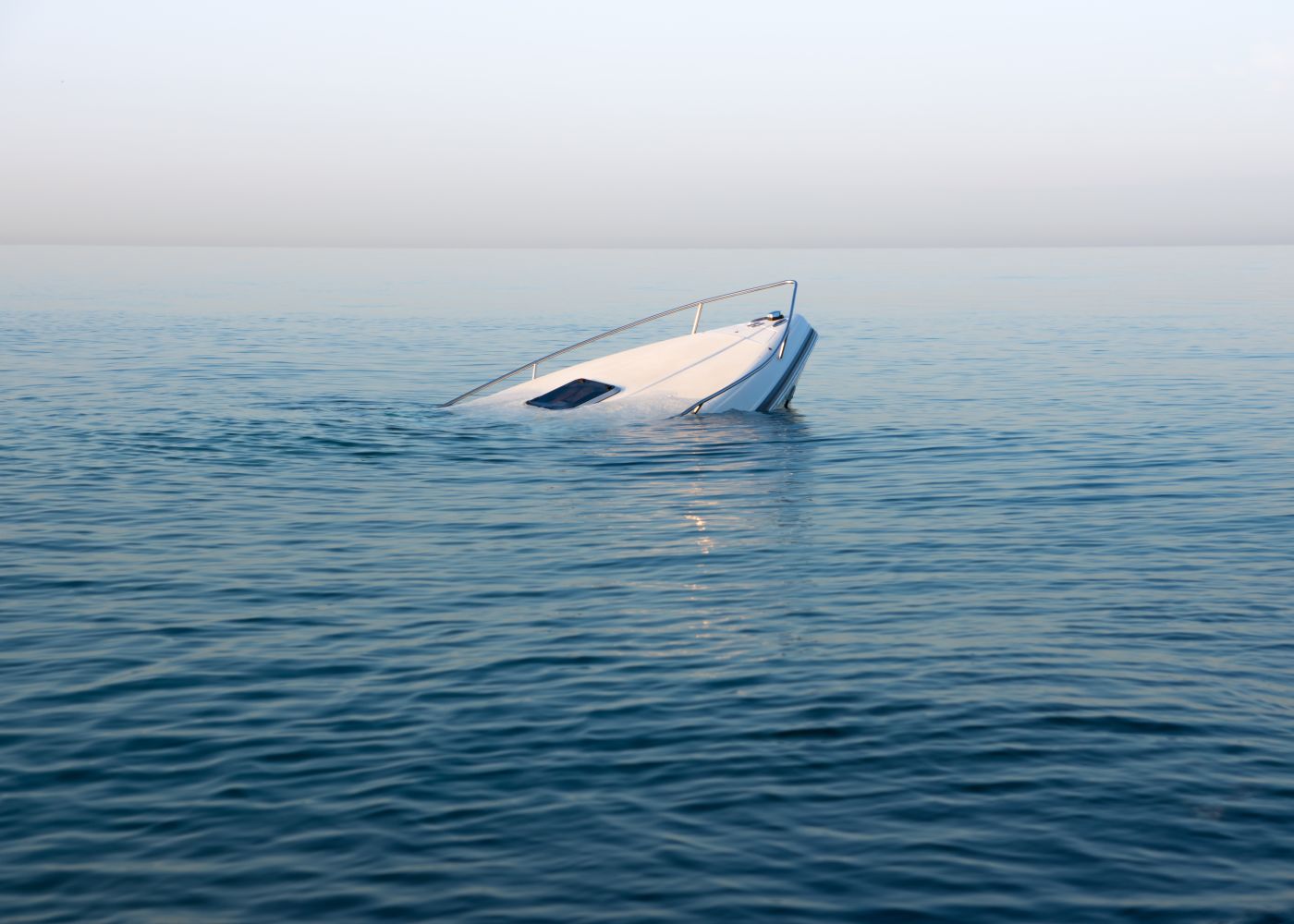
A day on the water is supposed to be relaxing, but a sudden boat accident can change everything in an instant. When a boating accident happens, the injuries, confusion, and financial stress that follow can leave you searching for answers. It’s even more frustrating when the operator wasn’t properly trained or licensed.
In many cases, people trust rental companies to provide safe equipment and basic instruction before heading out. When that trust is broken, the consequences can be serious. The knowledgeable legal team at Murphy, Kinney, & Sumy helps clients across Missouri hold the right parties accountable after a boating accident, especially when training was promised but never delivered.
These incidents often raise difficult questions about responsibility and preventability. However, the firm's legal team will gladly guide you throughout the process. They proudly assist clients in Lee's Summit, Blue Springs, Grain Valley, Parkville, Liberty, Belton, North KC, Missouri, and Overland Park, Leawood, and Prairie Village, Kansas.
Boat rental companies often rely on liability waivers and broad legal protections to avoid responsibility after a boating accident. These documents are usually signed quickly, sometimes without a full explanation of what they cover. After a crash, companies point to these waivers as a reason they shouldn’t be held accountable.
However, these protections aren’t absolute. If a company failed to provide the training it advertised or allowed an unlicensed operator to take control without proper instruction, that failure can weaken its defense. Courts often look beyond the waiver to determine whether the company acted responsibly.
In some cases, the way a waiver is presented can also become an issue. If renters weren’t given enough time to review the document or weren’t informed about safety expectations, that can further weaken the company’s position after a boating accident.
A trusted attorney can help clients challenge these defenses by focusing on what the rental company actually did—or failed to do—before the boating accident occurred. When a company’s actions fall short of what was promised, liability can shift back into focus.
Operating a boat requires skill, awareness, and familiarity with safety rules. When someone without proper instruction takes control, the risk of a boating accident increases significantly. Rental companies play a key part in preparing customers, and when they fall short, the results can be dangerous.
Before looking at specific factors, it’s important to recognize that many renters rely entirely on the company for guidance. Without clear instructions, even a cautious person can make critical mistakes on the water.
Failure to explain basic controls: Operators who don’t understand steering, acceleration, or braking can lose control quickly.
Lack of safety briefings: Without guidance on right-of-way rules or hazard awareness, collisions become more likely.
No instruction on emergency response: Renters may not know how to react to sudden obstacles or mechanical issues.
Allowing unlicensed operation: Letting someone operate a boat without verifying qualifications increases risk.
Inadequate supervision during departure: Early mistakes often happen when leaving docks or crowded areas.
These gaps in preparation can directly contribute to a boating accident. By highlighting these failures, the firm helps clients demonstrate that the incident wasn’t simply bad luck but was caused by preventable issues.
Rental companies often claim immunity from liability, but that protection can break down under certain conditions. When a company advertises or verbally commits to providing training, it takes on a responsibility that can’t be ignored after a boating accident.
Courts will examine whether the promised instruction was actually given and whether it was adequate. If a renter was rushed through the process or given only minimal guidance, that can raise serious questions about the company’s conduct. In these cases, the focus shifts from the waiver to the company’s actions.
Additional evidence, such as advertisements, website language, or employee statements, can help show what renters were led to expect. These details often play a key role in demonstrating that the company failed to follow through before the boating accident occurred.
An experienced boating accident attorney can use this information to challenge immunity claims and push for accountability. This approach helps bring attention back to the company’s role in the incident.
After a boating accident, taking the right steps early on can make a meaningful difference in how a claim develops. The aftermath can feel like a lot, but focusing on key actions can help protect both health and legal interests.
Before reviewing these steps, it’s important to remember that every situation is different. Still, having a general plan can help families respond more effectively in the moment.
Seek medical attention: Even if injuries seem minor, getting checked can document the impact of the accident.
Report the incident: Notifying local authorities creates an official record of what happened.
Document the scene: Photos, videos, and notes can capture details that might fade over time.
Collect witness information: Statements from others on the water can support the account of events.
Preserve rental agreements: Keeping copies of contracts and promotional materials can show what was promised.
Taking these steps helps create a clearer picture of the boating accident and supports a stronger claim. Early action can also prevent important details from being lost or overlooked.
A boating accident involving an unlicensed operator can raise serious questions about responsibility, especially when a rental company failed to provide promised training. Holding the right party accountable is an important step toward recovery and financial stability.
Murphy, Kinney, & Sumy help clients across Missouri build cases that focus on facts, accountability, and fair outcomes. They work with individuals and families to challenge weak defenses and present evidence that highlights where things went wrong. Their approach centers on helping clients move forward after a boating accident with clarity and support.
They proudly assist clients in Lee's Summit, Blue Springs, Grain Valley, Parkville, Liberty, Belton, and North KC, Missouri, as well as Overland Park, Leawood, and Prairie Village, Kansas. If you’ve been injured in a boating accident, now is the time to take the next step with Murphy, Kinney, & Sumy.